
Benefits of Training with Free Weights: Complete Guide
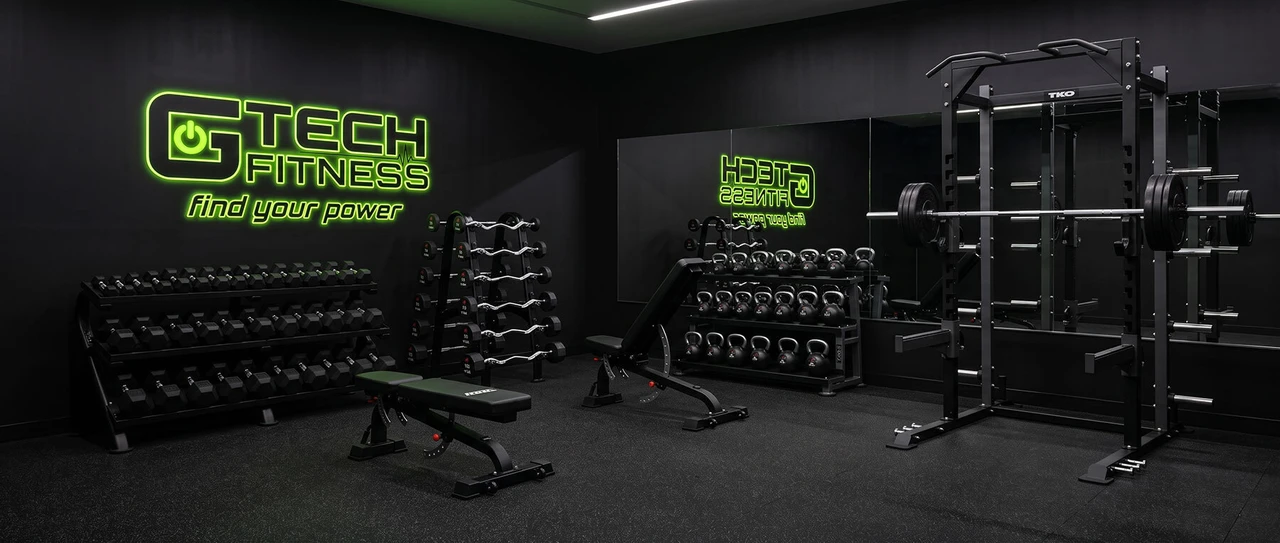
Why Free Weights Remain a Foundation of Strength Training
Estimated Reading Time: 22 minutes
Free weights have been a foundation of strength training for generations because a relatively small group of tools can support an enormous range of exercises, training goals, and experience levels. Free weights can be used to build strength, add muscle, develop power, challenge coordination, improve movement control, and create efficient full-body workouts in home gyms, school weight rooms, athletic facilities, and commercial fitness centers.
The biggest advantage is not that free weights are automatically better than every other form of resistance training. Current research shows that both free weights and machines can build substantial strength and muscle when training is programmed well. The real value of free weights comes from their combination of movement freedom, exercise variety, progressive loading, stabilization demands, unilateral training options, and efficient use of equipment.
This guide explains what free weights are, how they work, where their benefits are strongest, how they compare with weight machines, which types fit different goals, and how to use them safely without overstating what the research actually shows.
Benefits of Free Weights: Quick Answer
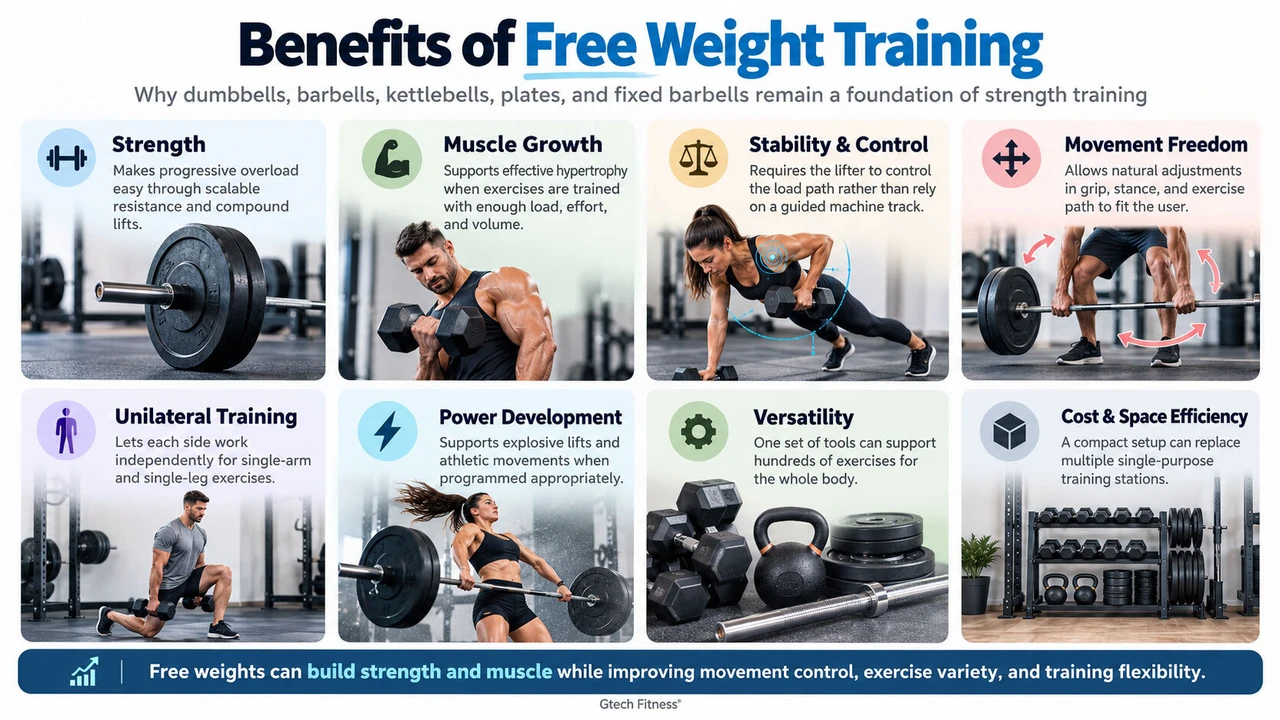
Free weights can build strength and muscle while improving movement control, stability, and exercise versatility. They also make it easy to train one or both sides of the body, perform compound movements, and progressively increase resistance over time. Dumbbells, barbells, kettlebells, plates, and fixed barbells can support hundreds of exercises without requiring a separate machine for every movement.
Those advantages do not mean free weights are superior in every situation. Machines can be extremely effective for strength and muscle growth, can reduce balance demands, and can make it easier to target specific muscles. For many people and facilities, the best training environment includes both.
What Are Free Weights?
Free weights are resistance-training tools that are not mechanically fixed to a guided movement path. The lifter controls the load through space rather than following the track, lever, rail, or pulley path of a conventional strength machine. Common examples include dumbbells, barbells, kettlebells, weight plates, and fixed-weight barbells.
The term describes how the resistance is handled, not how heavy the equipment is. A five-pound dumbbell and a heavily loaded Olympic barbell are both free weights. The difference is the amount of resistance, the exercise being performed, and the level of control required from the lifter.
| Free Weight Type | Common Uses | Primary Advantage |
|---|---|---|
| Dumbbells | Presses, rows, curls, lunges, carries, flyes, raises and unilateral exercises | Independent loading of each side and exceptional exercise variety |
| Barbells | Squats, presses, deadlifts, rows, Olympic-style lifts and heavy compound training | Efficient progressive loading and high strength potential |
| Kettlebells | Swings, cleans, presses, squats, carries, get-ups and conditioning | Offset handle supports dynamic and continuous movement patterns |
| Weight Plates | Loading barbells and plate-loaded equipment; selected standalone exercises | Scalable resistance in small or large increments |
| Fixed Barbells | Curls, rows, presses, lunges and fast-paced strength circuits | Ready-to-use resistance without changing plates |
Free Weight Training Benefits at a Glance
| Benefit | Why It Matters | Free Weight Example |
|---|---|---|
| Strength | Resistance can be progressively increased as the lifter gets stronger. | Barbell squat or bench press |
| Muscle Growth | Free weights can provide progressive muscular loading across a broad exercise selection. | Dumbbell press or Romanian deadlift |
| Stability & Control | The lifter must control the load instead of relying entirely on a guided machine path. | Dumbbell overhead press |
| Movement Freedom | Grip, stance, path and range can often be adjusted to the individual. | Dumbbell row with customized stance and grip |
| Unilateral Training | Each side can be trained independently for side-specific strength and control. | Single-arm row or split squat |
| Power Training | Selected free-weight movements can be performed explosively when appropriate. | Power clean or kettlebell swing |
| Exercise Variety | One tool can support many movement patterns and training goals. | Dumbbells used for presses, rows, lunges and carries |
| Space & Cost Efficiency | A compact setup can replace multiple single-purpose stations. | Adjustable dumbbells, bench and compact rack |
Who This Guide Is For
- Beginners learning how free weight training differs from machine training.
- Home gym owners deciding which equipment provides the most training variety for their space.
- Intermediate and advanced lifters building strength, muscle, power or athletic performance.
- Schools and colleges planning free-weight training areas for students and athletes.
- Personal training studios and functional training facilities.
- Apartment, hotel and corporate fitness centers.
- Military, government, police and fire training facilities.
- Commercial gym owners deciding how free weights and machines should complement one another.
Table of Contents
- How Free Weights Build Strength
- Free Weights for Muscle Growth
- Stability, Coordination & Body Control
- Movement Freedom & Range of Motion
- Compound & Full-Body Training
- Unilateral Training
- Power & Athletic Training
- Grip Strength & Loaded Carries
- Exercise Variety, Cost & Space Efficiency
- Broader Health Benefits of Resistance Training
- Free Weights vs. Machines
- Types of Free Weights
- Free Weight Exercises by Movement Pattern
- Programming Free Weights for Different Goals
- Free Weights for Beginners
- Home, School & Commercial Free-Weight Areas
- Potential Drawbacks & Limitations
- How to Train Safely with Free Weights
- Building a Complete Free-Weight Training Area
- Frequently Asked Questions
How Free Weights Build Strength
Free weights are effective for strength development because resistance can be increased gradually as the body adapts. This principle is commonly called progressive overload. A lifter might add weight to a bar, move to a heavier dumbbell, perform additional repetitions, add a set, improve range of motion, or progress to a more demanding variation.
Barbell training is particularly useful when the goal is to increase maximal strength because plates can often be added in relatively small increments while the same core movement is practiced repeatedly. Squats, bench presses, deadlifts, overhead presses and rows can all be progressed over long periods when technique, recovery and programming are appropriate.
Current research also reinforces the principle of specificity. People tend to become especially strong in the movements and equipment they practice. Free-weight training produces large strength gains, but that does not mean machines cannot do the same. If someone wants to improve a barbell squat, practicing barbell squats is particularly relevant. If the goal is strength on a machine-based movement, machine training can be equally appropriate.
Progressive Loading Does Not Require Maximum Weight
Strength development does not require testing a one-repetition maximum every workout. Most training is performed below maximal effort, using loads that allow controlled repetitions and consistent technique. The most recent American College of Sports Medicine position stand found that heavier loading tends to favor maximal strength development, but training can be adjusted around experience, goals and exercise selection.
For beginners, technical consistency matters more than chasing numbers quickly. Building a repeatable squat, press, hinge and row creates the foundation that allows heavier loading later.
Free Weights for Muscle Growth
Free weights can be highly effective for building muscle because they make it practical to apply progressive resistance across many exercises and body positions. Dumbbell presses, rows, split squats, Romanian deadlifts, curls, extensions and barbell compound lifts can all provide the muscular tension needed for hypertrophy when enough challenging training volume is performed.
It is important, however, not to claim that free weights automatically build more muscle than machines. Research directly comparing the two methods has found similar hypertrophy outcomes overall. Muscle growth is influenced more by whether the target muscles receive sufficient training stimulus, volume and progression than by whether the resistance comes from a dumbbell, barbell or well-designed machine.
Why Free Weights Are Still Valuable for Hypertrophy
The benefit is flexibility. A lifter can choose exercises that fit their structure and preferences, combine bilateral and unilateral movements, adjust grip or stance, and train a muscle from multiple angles without needing a dedicated machine for every exercise. Free weights also pair well with machines: compound free-weight movements can establish the foundation of a workout, while machines can add targeted volume without requiring as much stabilization late in the session.
For buyers planning a dumbbell area, our Commercial Dumbbell Buying Guide explains how rubber, hex, pro-style and urethane dumbbells differ in construction, cost and facility suitability.
Stability, Coordination & Body Control
One of the most distinctive characteristics of free-weight training is that the lifter must control the resistance rather than allowing a machine to control the complete movement path. That requirement can increase the coordination demands of an exercise and make stability part of the task.
This is easy to feel when comparing dumbbell, barbell and guided pressing. With dumbbells, each arm controls its own load. With a barbell, both hands control one connected implement. With a guided press, the machine removes much of the need to control the path. Research comparing these variations shows that changing the stability requirement changes both how much weight can be lifted and how individual muscles contribute to the movement.
That does not mean every free-weight exercise activates every “stabilizer” more than every machine exercise. Muscle activation depends on the exercise, load, body position and muscle being measured. The more accurate takeaway is that unsupported free-weight exercises often create a greater movement-control requirement, and the lifter becomes skilled at managing that requirement with practice.
Coordination Is a Trainable Skill
Early strength gains are partly neurological. A beginner learns how to organize the body, create tension and move the resistance efficiently. That is one reason someone can become noticeably better at a free-weight movement before large visual changes in muscle size occur.
This skill component also explains why strength is specific. Someone who is strong on a leg press may still need time to learn a barbell squat, and someone with a strong barbell bench press may need practice before equally demanding dumbbell presses feel stable.
Movement Freedom & Range of Motion
Free weights do not travel on a fixed machine track, so the lifter usually has more control over stance, grip, hand position, elbow path, bar path and range of motion. This can make it easier to adjust an exercise to individual proportions and training goals.
A dumbbell press can be performed with a neutral, semi-neutral or pronated grip. A lunge can use different stride lengths. A row can be performed from multiple torso angles. A squat stance can be adjusted to accommodate individual hip structure and comfort. This does not guarantee that every free-weight variation will feel better, but it gives the lifter more options.
Can Free Weights Improve Range of Motion?
Resistance training with external loads can improve joint range of motion when exercises are performed through appropriate movement ranges. A large systematic review found that loaded resistance training improved range of motion and produced improvements similar in magnitude to stretch training in the studies included. This is a benefit of resistance training generally, not something exclusive to free weights.
Free weights can make full-range training practical because the user is not locked into one machine path, but the appropriate range is still individual. More range is not automatically better if it causes pain, loss of control or poor positioning. The useful goal is a controlled range that fits the exercise and the person performing it.
Compound & Full-Body Training
Free weights make it easy to build workouts around compound exercises that involve multiple joints and muscle groups at once. Squats train the lower body while requiring trunk control. Presses involve the chest or shoulders along with the triceps. Rows train the back with contributions from the arms and trunk. Deadlift variations challenge the hips, legs, back and grip.
This can make free-weight training highly time-efficient. A small group of well-selected movements can train most of the body without moving through a long line of single-purpose machines.
Compound Training Does Not Eliminate Isolation Work
Free weights also support isolation exercises such as curls, triceps extensions, lateral raises, flyes and calf raises. The advantage is not that every exercise must be a large compound lift. It is that the same equipment can often support both compound and targeted work.
A set of dumbbells, for example, can be used for presses, rows, lunges, Romanian deadlifts, carries, curls, extensions and raises without changing stations.
Unilateral Training & Side-to-Side Control
Free weights make unilateral training especially convenient. Single-arm and single-leg exercises allow one side of the body to work independently, which can be useful for training side-specific strength, coordination and control.
Examples include single-arm dumbbell presses, one-arm rows, Bulgarian split squats, reverse lunges, suitcase carries and single-leg Romanian deadlifts. Dumbbells and kettlebells are particularly well suited to this style of training because one implement can be held on one side without mechanically linking both limbs.
Unilateral training is not automatically better than bilateral training for muscle growth. Recent research found similar hypertrophy between unilateral and bilateral resistance training, while strength gains followed the principle of specificity: unilateral training improved unilateral strength particularly well, and bilateral training improved bilateral strength particularly well. The practical lesson is to use the version that fits the goal rather than treating either style as universally superior.
Power & Athletic Training
Some free weights can be accelerated through open movement paths, making them useful for power development when the athlete has the required technique and supervision. Olympic-style lifts and their derivatives, kettlebell swings, loaded jumps in appropriate settings, push presses and other explosive movements can train the ability to produce force quickly.
The 2026 ACSM position stand identified Olympic-style weightlifting and power-oriented resistance training as effective approaches for developing power. This does not mean every lifter needs cleans or snatches. Power training should match the individual's experience, sport, goals and coaching environment.
Why Free Weights Fit Athletic Programs
Athletic programs often need more than maximal force. Athletes may need to accelerate, decelerate, change direction, stabilize asymmetrical loads and express strength from different positions. Free weights give coaches many ways to load those patterns without requiring a unique machine for each variation.
At the same time, machines still have value in athletic facilities for targeted strength, additional training volume and exercises where reducing balance demands is useful. An effective strength room does not have to choose one system exclusively.
Grip Strength, Carries & Load Management
Many free-weight exercises require the hands and forearms to secure the resistance directly. Deadlifts, rows, farmer carries, suitcase carries, shrugs and heavy dumbbell work can challenge grip while training larger muscle groups.
Loaded carries are especially versatile because they combine grip, trunk control, posture and locomotion. A pair of dumbbells or kettlebells can be carried at the sides, while a single implement creates an asymmetrical challenge that requires the torso to resist unwanted movement.
Grip should still be programmed with the larger goal in mind. If grip fatigue prevents the target muscles from receiving enough work, straps or a different exercise can sometimes be appropriate. The goal is not to make every exercise a grip test.
Exercise Variety, Cost & Space Efficiency
Free weights are among the most versatile categories of strength equipment because the same resistance can be used for many exercises. That matters for both workout programming and facility planning.
Hundreds of Exercise Variations from a Small Equipment Base
A barbell can support squats, deadlifts, presses, rows, lunges, curls and Olympic-style movements. Dumbbells expand the options further by allowing independent arm loading, unilateral lower-body work and easy changes in grip. Kettlebells support both traditional strength exercises and dynamic movements such as swings and cleans.
This variety can also make programs easier to adjust around preference, experience and equipment availability. If one movement is uncomfortable or unavailable, another free-weight variation may train the same general pattern.
Cost Efficiency Depends on the Setup
A basic free-weight setup can be less expensive than purchasing multiple dedicated strength machines. Adjustable dumbbells, a barbell, plates, a bench and a rack can provide a large training menu in a home gym without filling the room with separate stations.
That does not mean all free weights are inexpensive. A complete commercial dumbbell set, multiple racks, Olympic bars and hundreds or thousands of pounds of plates can represent a significant facility investment. The better way to think about cost is training capability per piece of equipment. Free weights often deliver many exercise options from each purchase.
Space Efficiency Also Depends on the Equipment
Adjustable dumbbells and plate-loaded barbell systems can be very space-efficient. A full commercial dumbbell run from 5 to 100 pounds, however, requires substantial rack length and floor space. Facility planners should evaluate the complete system, including storage and working clearance, rather than assuming all free-weight areas are compact.
Broader Health Benefits of Resistance Training
Many important benefits associated with lifting free weights are actually benefits of resistance training as a whole. Free weights are one effective way to create the required resistance, but machines, bands and other methods can produce many of the same health adaptations.
The 2026 American College of Sports Medicine position stand reviewed 137 systematic reviews involving more than 30,000 participants and concluded that resistance training improves strength, muscle size, power, muscular endurance, balance, gait speed and multiple measures of physical function. Resistance training is also associated with broader health benefits that extend beyond appearance or lifting performance.
For general health, the Centers for Disease Control and Prevention recommends that adults perform muscle-strengthening activity involving all major muscle groups on at least two days per week, along with recommended aerobic activity. Free weights can be one practical way to meet the muscle-strengthening portion of those guidelines.
Bone and Long-Term Physical Function
Progressive resistance training places mechanical demand on the musculoskeletal system and is commonly included in programs intended to support muscle and bone health. Maintaining strength also becomes increasingly important with age because everyday tasks such as rising from a chair, carrying objects, climbing stairs and maintaining independence depend on adequate muscular function.
These benefits should not be framed as proof that free weights are uniquely superior. The larger lesson is that consistent progressive resistance training matters, and free weights provide a highly adaptable way to do it.
Free Weights vs. Machines: Which Is Better?
The most accurate answer is that neither free weights nor machines are universally better. Both can build strength and muscle. The better choice depends on the exercise, the person, the training goal and the environment.
A systematic review and meta-analysis directly comparing free-weight and machine-based training found no meaningful overall difference in muscle hypertrophy or neutral measures of strength. Strength gains tended to be specific to the type of equipment used: people training with free weights improved free-weight strength particularly well, while people training on machines improved machine strength particularly well.
| Training Factor | Free Weights | Weight Machines |
|---|---|---|
| Muscle Growth | Highly effective when muscles receive sufficient loading and volume | Also highly effective; research does not show a universal hypertrophy advantage for either method |
| Strength | Excellent; especially specific to free-weight movements practiced | Excellent; especially specific to machine movements practiced |
| Stability Demand | Usually higher because the lifter controls the load path | Usually lower because the machine provides more external guidance or support |
| Movement Freedom | High; grip, stance and path can often be adjusted | Varies; many machines use predetermined paths and adjustment positions |
| Isolation | Possible, but often requires more positioning and stabilization | Often excellent for focusing resistance on a target muscle or movement |
| Training Near Fatigue | May require safeties, a spotter or careful exercise selection | Often easier to stop a repetition without controlling a free load |
| Learning Curve | Can be higher for complex lifts | Often lower after the machine is adjusted correctly |
| Exercise Variety per Tool | Very high | Usually lower for dedicated machines; higher for cable and multi-function stations |
| Facility Space | Can be efficient, but complete dumbbell and plate areas still require storage and working space | Dedicated machines generally require more floor space per exercise |
| Best Choice | Movement freedom, compound training, exercise variety and free-weight-specific strength | Targeted loading, added stability, controlled setup and machine-specific strength |
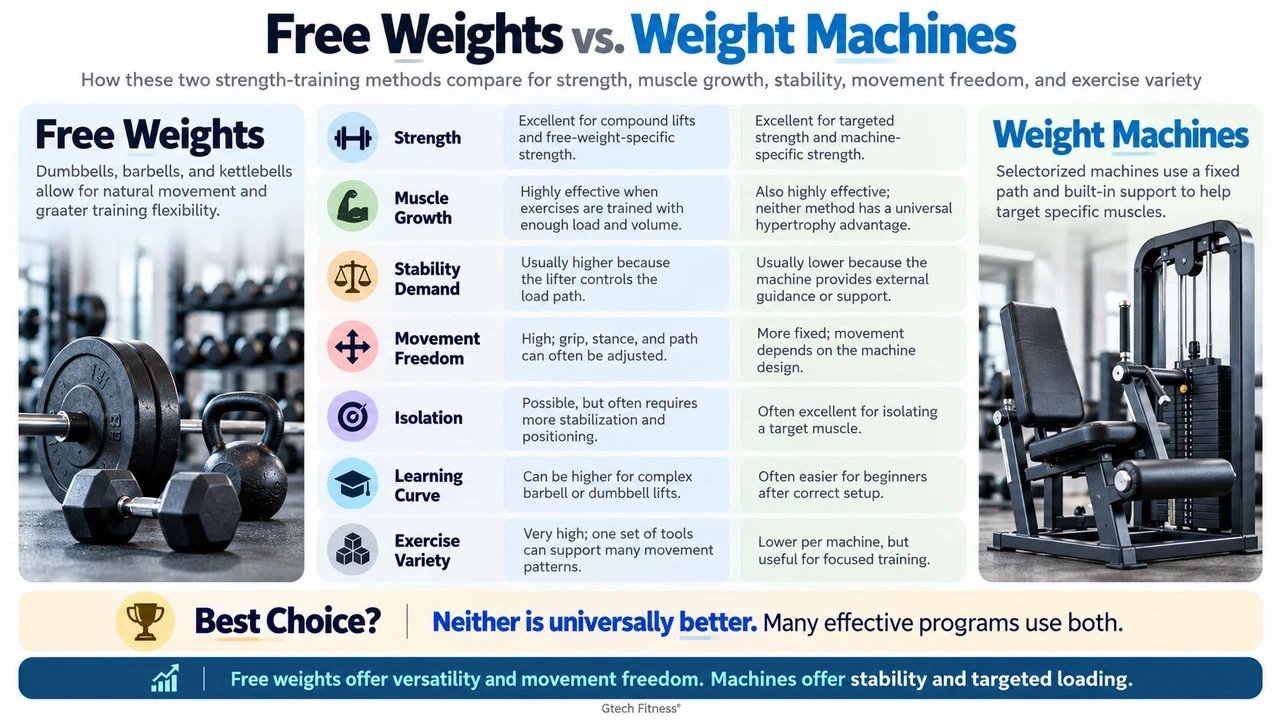
Why Combining Free Weights and Machines Often Makes Sense
A balanced strength program can use both tools. Free-weight compound lifts may be placed earlier in a session when coordination and technical quality are highest. Machines can then add targeted work without requiring as much stabilization as fatigue accumulates. The order can also be reversed when machine strength, rehabilitation goals or specific muscular emphasis is the priority.
The same principle applies to facility design. A well-equipped gym can provide a strong free-weight section alongside weight machines so users can choose the resistance style that best fits the exercise and their goals.
Types of Free Weights & What Each Does Best
Dumbbells
Dumbbells are arguably the most versatile free weights because each hand controls its own resistance. They work well for bilateral exercises, unilateral training, upper-body isolation, lower-body training and loaded carries. Fixed dumbbells are convenient in shared facilities, while adjustable dumbbells can dramatically reduce the storage footprint in home gyms.
Barbells
Barbells are the traditional choice for progressive compound strength training. Olympic, standard, power, multipurpose and specialty bars can support different training styles. The bar connects both sides of the body to one implement and can be loaded with small or large weight increases.
Weight Plates
Weight plates provide scalable resistance for barbells and compatible plate-loaded equipment. Iron, rubber-coated, urethane and bumper plate designs serve different training environments. Bumper plates are particularly useful where Olympic-style lifting or controlled dropping is part of the program and the facility is designed for it.
Kettlebells
Kettlebells place the center of mass away from the hand, creating a different feel from a dumbbell. They are well suited to swings, cleans, presses, goblet squats, carries and other movements that combine strength with dynamic control.
Fixed Barbells
Fixed barbells provide preset resistance without loading and unloading plates. They work well in commercial gyms and school weight rooms where users need quick transitions between curls, rows, presses, lunges and other exercises.
Free Weight Exercises by Movement Pattern
Organizing free-weight exercises by movement pattern is more useful than simply collecting a long list of exercises. It helps create balanced programs and shows how a small equipment selection can train the entire body.
| Movement Pattern | Exercise Examples | Common Equipment |
|---|---|---|
| Squat | Back squat, front squat, goblet squat, dumbbell squat | Barbell, dumbbells, kettlebell |
| Hinge | Deadlift, Romanian deadlift, kettlebell swing | Barbell, dumbbells, kettlebell |
| Horizontal Push | Bench press, dumbbell press, floor press | Barbell, dumbbells |
| Vertical Push | Overhead press, dumbbell shoulder press, kettlebell press | Barbell, dumbbells, kettlebell |
| Pull | Bent-over row, one-arm row, chest-supported dumbbell row | Barbell, dumbbells, kettlebell |
| Single-Leg | Split squat, reverse lunge, step-up, single-leg Romanian deadlift | Dumbbells, kettlebells, barbell |
| Carry | Farmer carry, suitcase carry, front-rack carry | Dumbbells, kettlebells |
| Arm & Shoulder Isolation | Curls, triceps extensions, lateral raises, rear-delt raises | Dumbbells, fixed barbells, curl bars |
Programming Free Weights for Different Goals
The equipment can stay the same while the program changes. A barbell squat can be used in a strength program, a muscle-building program or a general fitness routine depending on the load, repetitions, sets, effort and overall weekly plan.
| Goal | Training Emphasis | Useful Free-Weight Approaches |
|---|---|---|
| Maximal Strength | Heavier resistance, technical consistency and progressive loading | Barbell squats, presses, deadlifts and rows with appropriate safeties |
| Muscle Growth | Sufficient weekly training volume, challenging sets and exercise selection that loads target muscles well | Compound lifts plus dumbbell and fixed-barbell accessory work |
| Power | Intent to move the load quickly with appropriate technique and moderate resistance | Olympic-style lifts, derivatives, push presses and selected kettlebell exercises |
| General Fitness | Full-body movement patterns, consistency and gradual progression | Dumbbell squats, rows, presses, hinges, lunges and carries |
| Athletic Development | Strength, power and exercise selection that supports the sport program | Barbells, dumbbells, kettlebells and unilateral variations |
You Do Not Need Advanced Techniques to Make Progress
The latest ACSM review emphasizes a useful point: consistency and progressive resistance matter more than many complicated training methods. Equipment type, training to momentary failure, complex periodization and other advanced variables did not consistently determine results for the average healthy adult.
This is especially useful for home and general-fitness users. A straightforward program performed consistently with appropriate effort and progression can produce excellent results without turning every workout into a technical experiment.
Free Weights for Beginners
Beginners can absolutely use free weights, but the starting point should match the person's experience, confidence and ability to control the exercise. There is no requirement to begin with machines first, just as there is no requirement to begin with a barbell.
Start with Exercises That Are Easy to Control
Dumbbell goblet squats, supported rows, dumbbell presses, Romanian deadlifts with light resistance and basic carries can introduce free-weight control without requiring advanced lifting skill. Technique bars and lighter fixed barbells can also make barbell patterns more approachable.
Use a Load That Preserves Technique
The correct starting weight is not the heaviest load someone can move once. It is a load that allows the intended repetitions to be performed with control and repeatable positioning. Load can increase as the movement becomes familiar.
Learn the Setup, Not Just the Repetition
Safe lifting includes getting the weight into position, using rack height correctly, setting safeties, placing collars where appropriate and returning the weight after the set. These setup skills become more important as resistance increases.
People with an injury, chronic condition, major balance limitation or uncertainty about exercise selection may benefit from guidance from a qualified health or fitness professional before beginning or progressing a program.
Free Weights for Home Gyms, Schools & Commercial Facilities
The training benefits of free weights are similar across settings, but the equipment plan should change with the environment. A private home gym can be designed around one or two users. A school or commercial fitness center needs equipment that works for a much wider range of users and repeated daily use.
Home Gyms
Home gyms can gain exceptional versatility from a compact combination of dumbbells, a barbell, plates, an adjustable bench and a rack. Adjustable dumbbells can save space, while fixed dumbbells offer faster changes when room and budget allow. Home lifters should choose equipment according to their current strength plus realistic room for progression.
If you are deciding between residential and higher-use equipment, our Home vs. Commercial Fitness Equipment guide explains how use classifications differ.
Schools & Athletic Facilities
School weight rooms often benefit from multiple training stations, clear storage, durable flooring and enough duplicate equipment to keep groups moving efficiently. Barbell areas need appropriate racks and safeties, while dumbbell and fixed-barbell areas should be organized so students can identify and return weights easily.
Commercial Fitness Centers
Commercial gyms typically need the broadest weight ranges and the most storage. Popular dumbbell weights may require duplicate pairs during peak hours. Heavy barbell areas need enough platforms or rack stations to prevent bottlenecks, and the layout should keep lifting paths separated from walkways.
For all shared facilities, equipment grade matters. Free weights, benches, racks and storage should be selected for the actual use environment rather than appearance alone.
Potential Drawbacks & Limitations of Free Weights
A comprehensive discussion should include the trade-offs. Free weights are versatile, but they are not automatically the best tool for every person or every exercise.
Higher Technique Demands on Some Exercises
Complex barbell lifts can take time to learn. The freedom that makes free weights adaptable also means the lifter is responsible for controlling the load. Beginners may need lighter resistance, coaching or simpler variations while learning.
Balance Can Limit the Target Muscle
If the goal is to train a specific muscle as hard as possible, stability demands can sometimes become a limiting factor before the target muscle is fully challenged. A supported machine or bench can be useful in that situation.
Training Near Failure Requires Planning
Heavy squats and presses should be performed with appropriate safeties, spotting or exercise selection. A selectorized machine often makes it easier to end a set when another repetition is not possible.
Storage Can Become Significant
One pair of dumbbells takes little room; twenty pairs do not. Complete commercial free-weight areas require racks, plate trees, bar storage, working clearance and durable flooring.
Free Weights Are Not Proven to Have a Higher Injury Rate Than Machines
It is common to describe machines as inherently safe and free weights as inherently dangerous, but research does not establish a simple universal injury-risk difference between the two. Familiarity, technique, load selection, supervision, equipment setup and the specific exercise all matter. The sensible approach is to match the exercise to the person and provide the right safety equipment.
How to Train Safely with Free Weights
- Learn the movement before increasing the load. A heavier weight should not require abandoning the intended technique.
- Use appropriate rack safeties. Squats, bench presses and other barbell lifts should be performed in equipment configured for the exercise.
- Use a spotter when appropriate. A competent spotter can add protection on certain heavy or near-limit lifts.
- Secure plates when the exercise calls for collars. Keep the loading system appropriate for the movement and facility rules.
- Keep the training area clear. Loose plates, dumbbells and bars should not become trip hazards.
- Use compatible storage. Return dumbbells, plates and bars to racks designed for them.
- Control the resistance. Do not rely on uncontrolled momentum unless the exercise is intentionally ballistic and the lifter has the skill and space for it.
- Progress gradually. Add resistance in manageable steps rather than making large jumps that compromise technique.
- Use appropriate flooring. The floor should support the equipment, expected loads and training style.
- Respect equipment limits. Bars, benches, racks and storage products should be used within their published ratings and intended environments.
Building a Complete Free-Weight Training Area
The best free-weight area is not simply the one with the most weight. It is the one that supports the users, exercises and traffic level of the space while keeping equipment organized and accessible.
1. Choose the Primary Resistance
Start with the training style. Dumbbells provide excellent general-purpose versatility. Barbells and plates are central to progressive compound lifting. Kettlebells add dynamic training options. Fixed barbells can improve flow in commercial and school settings.
2. Add Benches That Match the Exercise Plan
An adjustable weight bench supports flat, incline and seated dumbbell work while also pairing with many rack stations. Commercial facilities may need multiple benches to serve peak traffic.
3. Use Racks and Safeties for Barbell Training
Power cages and squat racks provide bar catches and safety systems for squats, presses and other barbell movements. Choose the rack according to use classification, available space, ceiling height, exercise selection and required capacity.
4. Plan Storage Before Buying the Full Weight Range
Dumbbell racks, plate storage and bar holders keep the training area organized and reduce unnecessary equipment on the floor. Storage should be sized around the complete set, not added as an afterthought.
5. Protect the Training Surface
Rubber gym flooring can improve traction, protect the underlying floor, reduce noise and create a more durable surface for free-weight areas. Flooring thickness and construction should match the type of lifting performed.
6. Leave Working Clearance
The rack footprint is only part of the required room. Users need space to remove weights, position benches, load plates, perform lunges or carries, and move safely between stations. Commercial planning should also account for multiple people using adjacent stations at the same time.
Frequently Asked Questions
What are free weights?
Free weights are resistance-training tools that are not fixed to a guided machine path. Dumbbells, barbells, kettlebells, weight plates and fixed barbells are common examples. The lifter controls the position and path of the resistance during the exercise.
What is free weight training?
Free weight training is resistance exercise performed with equipment such as dumbbells, barbells, plates and kettlebells. It can be programmed for strength, muscle growth, power, general fitness, athletic development or other goals by changing the exercises, load, volume and speed of movement.
Are free weights better than machines?
Not universally. Both free weights and machines can build strength and muscle. Free weights usually provide more movement freedom and require the lifter to control the resistance, while machines can provide more external stability and make targeted loading easier. Many effective programs use both.
Can free weights build as much muscle as machines?
Yes. Research comparing free-weight and machine-based resistance training has not shown a consistent overall difference in muscle hypertrophy. Sufficient training stimulus, progression, weekly volume and consistency matter more than simply choosing one equipment type.
Do free weights build more strength than machines?
Strength is highly specific to the task. Training with free weights tends to improve strength in free-weight exercises particularly well, while machine training tends to improve machine-based strength particularly well. Both methods can produce substantial overall strength gains.
Do free weights improve stability?
Many free-weight exercises create a greater stability and coordination requirement because the lifter controls the load path. That can improve skill and control in the movements being practiced. It does not mean every free-weight exercise produces greater stabilizer activation than every machine exercise.
Can free weight training improve flexibility or range of motion?
Resistance training performed through appropriate ranges of motion can improve joint range of motion. Research has found meaningful flexibility improvements from resistance training with external loads. This is a benefit of resistance training generally rather than a benefit unique to free weights.
Are free weights good for beginners?
Yes. Beginners can start with simple free-weight exercises and light resistance while learning proper setup and technique. Dumbbells, kettlebells and lighter barbells can all be appropriate depending on the exercise and the person's confidence, balance and experience.
Are dumbbells considered free weights?
Yes. Dumbbells are one of the most common forms of free weights because they are not attached to a fixed machine path and each hand can control resistance independently.
Are kettlebells free weights?
Yes. Kettlebells are free weights with an offset handle design. They can be used for conventional strength exercises as well as dynamic movements such as swings, cleans and carries.
Can I train my entire body with free weights?
Yes. A well-planned free-weight program can train the major movement patterns of the lower body, chest, back, shoulders, arms and trunk. Dumbbells and barbells alone can support a complete strength-training program when exercises are selected appropriately.
How often should I train with free weights?
Training frequency depends on goals, experience, recovery and program design. For general health, current U.S. physical activity guidelines recommend muscle-strengthening activities involving all major muscle groups on at least two days per week. More specialized strength or hypertrophy programs may distribute training across additional sessions.
Do free weights burn more calories than machines?
Not necessarily. Energy expenditure depends on the exercise, amount of muscle mass involved, load, repetitions, rest periods, workout duration and the individual. Large compound free-weight exercises can be demanding, but equipment type alone does not determine calorie expenditure or fat loss.
What free weights should a home gym start with?
The best starting setup depends on training goals and available space. Many home gyms begin with dumbbells or adjustable dumbbells, then add a barbell and plates, an adjustable bench and a rack as training needs expand. Kettlebells can add further variety without requiring a large footprint.
Do I need both machines and free weights?
No single training program requires both, but they complement one another well. Free weights provide movement freedom and broad exercise variety, while machines can provide controlled, targeted resistance with less stabilization demand. A home gym may prioritize free weights for versatility, while larger facilities often benefit from offering both.
Final Thoughts: Why Train with Free Weights?
The strongest case for free weights is not that they outperform every machine. It is that they combine progressive resistance, movement freedom, exercise variety, unilateral training, compound lifting and efficient use of equipment in a way that works for an unusually broad range of goals.
Free weights can build substantial strength and muscle, challenge coordination and load control, support full-body and athletic training, and adapt from a compact home gym to a large commercial strength room. At the same time, machines remain valuable tools for targeted loading, external stability and additional training volume. The most effective approach is to choose the resistance method that fits the exercise, user and goal.
To build or expand your training area, explore Gtech Fitness® free weights for home gyms, schools and commercial fitness centers, including dumbbells, barbells, weight plates, kettlebells and fixed barbells with free shipping across the continental U.S.
EXPLORE POPULAR ARTICLES
-
Strength Training With Dumbbells: Benefits & Exercises
Oct 05, 2026Why Strength Training With Dumbbells Works Estimated Reading Time: 22 Minutes Strength training wit
-
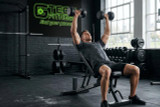
Dumbbell Chest Workout: Exercises, Form & Workout Plans
Oct 05, 2026How to Build a Complete Chest Workout with Dumbbells Estimated Reading Time: 22 minutes A well-desi
-
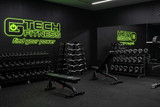
Benefits of Training with Free Weights: Complete Guide
Oct 04, 2026Why Free Weights Remain a Foundation of Strength Training Estimated Reading Time: 22 minutes Free w