
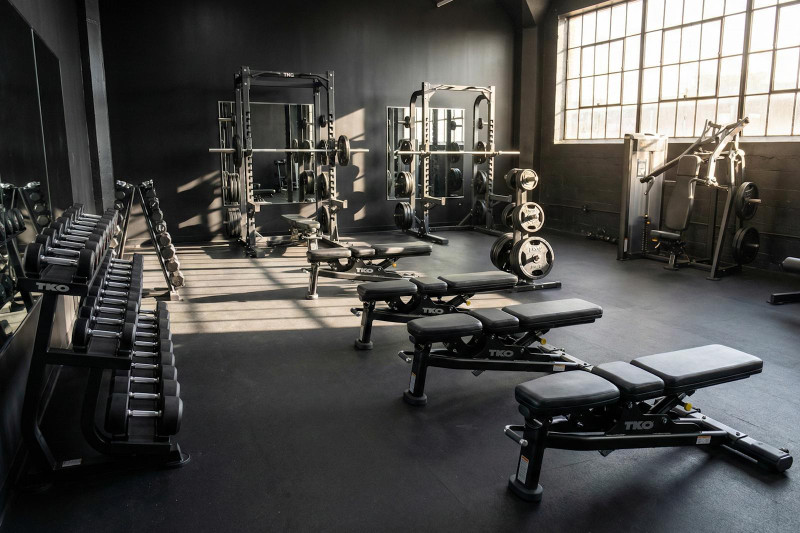
Gtech Fitness® supplies school fitness equipment for K-12 physical education programs, high school weight rooms, college athletic departments, campus recreation facilities, and student wellness programs.
School Weight Room Equipment for K-12, High Schools & Colleges
Choosing the right school fitness equipment starts with understanding who will use the room, how many students or athletes may train at the same time, and what type of program the facility needs to support. A high school athletic weight room may center on racks, benches, bars, plates, dumbbells, and strength machines, while a general physical education room may require a broader mix of cardio equipment, functional training products, mats, free weights, and easy-to-organize storage.
Gtech Fitness® works with schools and colleges purchasing equipment for new facilities, weight room upgrades, physical education programs, athletic departments, and recreation spaces. Since beginning as G2 Fitness Products in 2007 and later becoming Gtech Fitness®, we have supplied educational facilities nationwide with equipment from established fitness manufacturers along with written price quotes and Net 30 purchase order options.
The correct equipment grade is especially important in an educational setting. Residential-only equipment should not be placed into a school simply because its specifications appear substantial. Schools should select products approved and warrantied for the intended institutional environment, then compare construction, capacity, adjustability, serviceability, storage requirements, and training features based on the needs of the facility.
School Fitness Equipment by Facility Type
A school weight room, PE fitness room, and college recreation center may serve very different groups even when they use some of the same equipment. Planning the room around its primary users helps determine which equipment categories deserve the most floor space and which products can serve several purposes.
| Facility Type | Typical Equipment Mix | Primary Planning Considerations |
|---|---|---|
| K-12 Physical Education | Cardio equipment, aerobic dumbbells, pump sets, medicine balls, exercise mats, functional training equipment, and storage. | Student accessibility, station-based instruction, supervision, organization, storage, and equipment approved for the setting. |
| High School Weight Rooms | Power racks or cages, adjustable benches, Olympic bars, bumper or Olympic plates, dumbbells, cable machines, and complementary strength stations. | Group training flow, rack availability, lifting space, equipment durability, storage, flooring, and coach sightlines. |
| College Athletic Facilities | Racks, platforms, benches, free weights, plate-loaded and selectorized machines, cable systems, storage, and conditioning equipment. | Training volume, multiple athletic programs, equipment versatility, long-term durability, serviceability, and efficient use of floor space. |
| College Recreation Centers | Commercial cardio, selectorized strength machines, cable equipment, free weights, benches, functional training products, and storage. | Broad user experience levels, equipment variety, peak traffic, accessibility, circulation, and commercial-use approval. |
Shop School Gym Equipment by Category
Most educational fitness facilities need a combination of strength, cardio, free-weight, flooring, and storage products rather than equipment from a single category. Use the sections below to compare the major equipment types used in school and college fitness facilities.
Power racks, squat racks, bench presses, adjustable benches, and training stations. Free Weights
Dumbbells, barbells, weight plates, kettlebells, fixed bars, and weight sets. Weight Machines
Selectorized, plate-loaded, cable, functional, and multi-station strength equipment. Cardio Equipment
Treadmills, ellipticals, exercise bikes, rowing machines, and stair climbers. Rubber Gym Flooring
Protective flooring for free-weight, strength, conditioning, and general exercise areas. Gym Storage
Dumbbell, weight plate, barbell, kettlebell, accessory, and mobile storage options.
Essential Equipment for School Weight Rooms
Power Racks, Squat Racks & Weight Benches
Racks and benches often form the foundation of a high school or college athletic weight room because one station can support squats, presses, pulls, and other barbell movements. The right configuration depends on available space, the number of athletes training together, the exercises included in the program, and the safety features provided by the individual rack.
When comparing racks, review the manufacturer's approved use, dimensions, published capacities, safety systems, attachment compatibility, storage options, and anchoring requirements. Adjustable benches can increase station versatility by supporting flat, incline, and other training positions without dedicating floor space to multiple fixed benches.
Dumbbells, Barbells & Weight Plates
Free weights give schools a flexible way to support strength training across many exercises and experience levels. A typical athletic room may use Olympic barbells and plates at rack stations, dumbbells for unilateral and accessory movements, kettlebells for functional training, and lighter hand weights for general fitness programs.
Weight range should reflect the people using the room rather than simply maximizing the heaviest available option. Storage also deserves early consideration. Keeping dumbbells, plates, bars, kettlebells, and accessories assigned to dedicated racks can improve organization and preserve usable training space.
Selectorized, Plate-Loaded & Cable Machines
Strength machines can complement rack and free-weight stations by providing guided resistance and additional exercise options. Selectorized machines allow quick resistance changes, plate-loaded equipment provides a free-weight style of loading, and cable systems can support a broad range of upper-body, lower-body, and functional movements.
Schools do not necessarily need one machine for every individual exercise. Multi-purpose stations, cable systems, and carefully selected strength machines can provide useful training variety while helping conserve floor space. Equipment selection should follow the school's training program, expected usage, available room, and approved use classification.
Cardio Equipment for PE & Student Fitness
Cardio machines are particularly useful in PE fitness rooms, student recreation facilities, and college wellness centers where users may have widely different training backgrounds. Treadmills, ellipticals, bikes, rowers, and stair climbers provide different movement patterns and conditioning options.
Before purchasing powered cardio equipment, verify the manufacturer's intended use environment along with space, electrical requirements, access to the final room, and recommended operating clearances. Commercial cardio may have different power and installation needs than residential equipment, so those requirements should be identified before ordering.
Flooring, Mirrors & Storage
A complete school fitness room also needs support equipment that keeps the primary training area usable. Rubber gym flooring can help protect the underlying floor and provide a durable surface in strength and free-weight areas. Flooring thickness and construction should be selected according to the activities and equipment used in the space.
Storage systems keep loose equipment organized, while glassless mirrors can provide reflective wall coverage without traditional glass construction. These supporting products should be included in the room plan rather than treated as afterthoughts once the major equipment has already filled the available space.
How to Plan a School Weight Room or Fitness Center
The best equipment list depends on how the room will actually operate. A team weight room that trains athletes in groups needs a different layout from a general PE room where students rotate through stations. Planning around simultaneous users, supervision, movement between stations, and equipment storage can help make better use of the available floor space.
Plan Around the Number of Students Training at One Time
Start with the largest realistic training group rather than the total number of students enrolled at the school. If a team or class will train together, consider how many students can use each station, how long they remain there, and whether the program requires repeated rack, bench, barbell, machine, or cardio access.
More equipment is not automatically better. Repeating versatile stations can sometimes produce a more efficient training room than filling the space with many single-purpose machines. Athletic programs centered on barbell training may benefit from multiple similarly equipped rack stations, while a general student fitness room may need greater variety.
Measure the Room Before Choosing Equipment
Record the usable floor dimensions along with doors, columns, windows, wall-mounted items, ceiling restrictions, electrical outlets, and other permanent features. Leave appropriate space around equipment for entry, adjustment, exercise movement, supervision, and service access.
Also measure the complete delivery route to the final room. Large racks, strength machines, cardio equipment, and other commercial products may require adequate door, hallway, elevator, stairway, and corner clearance before they can reach the installation area.
Choose the Correct Equipment Grade
A school is a shared-use environment, so equipment should be approved for the setting in which it will operate. Light Commercial equipment may be appropriate for qualifying school or institutional applications when the manufacturer specifically includes that environment. Commercial equipment can also be selected when greater usage, durability, or facility requirements justify moving to a higher classification.
Do not rely on a single specification such as steel gauge, product weight, or maximum capacity to determine whether equipment is appropriate for a school. Use classification and warranty should come first, followed by the specific construction, features, capacities, serviceability, and training requirements that matter for the product. For a more detailed explanation, see our Home vs. Commercial Fitness Equipment Guide.
Plan Storage Before the Room Is Full
Bars, plates, dumbbells, kettlebells, medicine balls, bands, mats, collars, and other accessories can quickly consume open floor space when they do not have assigned storage locations. Include storage racks in the original equipment plan and position them where users can return equipment without creating unnecessary traffic through active lifting areas.
Consider Flooring & Equipment Placement
Different parts of a school fitness room may experience different demands. Free-weight and rack areas can require a different flooring solution from cardio or general fitness areas. Follow equipment manufacturer instructions for flooring, placement, anchoring, electrical service, operating clearance, and other installation requirements.
Fitness Equipment for Different School Programs
Physical Education & General Student Fitness
PE programs generally need equipment that can serve students with different experience levels and support a variety of activities. Depending on the curriculum and available space, the room may include cardio machines, lighter free weights, selectorized strength equipment, functional trainers, medicine balls, exercise mats, aerobic dumbbells, and organized storage.
Versatility is especially valuable when a room supports several classes or activities. Equipment that accommodates multiple exercises or resistance levels can help instructors create stations without requiring a separate machine for every movement.
High School Athletic Weight Rooms
High school weight room equipment should reflect the school's strength and conditioning program rather than a generic equipment checklist. Rack-and-bench stations, Olympic bars, bumper or Olympic plates, dumbbells, cable equipment, and complementary strength machines are common building blocks because they support a wide range of athletic training exercises.
When several teams share one facility, consistency between stations can simplify group training. Coaches can also evaluate whether multi-purpose equipment, integrated storage, or rack attachments can expand exercise options without taking up the footprint of additional standalone machines.
College Athletic Training Facilities
College athletic facilities may support multiple teams, higher training volumes, and a wide range of strength and conditioning programs. Equipment durability, adjustment design, available weight range, serviceability, training versatility, and commercial-use approval all become important when several programs rely on the same room.
Athletic facilities may combine rack stations and lifting platforms with dumbbells, plate-loaded machines, selectorized equipment, cable systems, posterior-chain equipment, conditioning products, and organized free-weight storage. The exact mix should follow the training methods used by the school's coaching and strength staff.
College Recreation & Wellness Centers
Campus recreation facilities typically serve a broader population than varsity athletic rooms. Students may range from first-time exercisers to experienced lifters, so these facilities often benefit from a balanced mix of cardio equipment, selectorized strength, cable stations, free weights, benches, and functional training options.
Because recreation facilities may experience periods of heavy traffic, buyers should consider equipment availability, intuitive adjustments, circulation, storage, cleaning access, durability, and products approved for the expected commercial environment.
School Fitness Equipment Quotes, Purchase Orders & Purchasing
Gtech Fitness® provides several purchasing options for schools, colleges, athletic departments, and educational institutions. Orders can be placed online by credit card, while written price quotes and Net 30 purchase orders are available for organizations that require formal approval or institutional purchasing procedures.
Written Fitness Equipment Price Quotes
Schools purchasing several pieces of equipment or preparing a larger weight room project can request a written fitness equipment price quote. Quotes provide an organized equipment and pricing document that can be used during internal approval and purchasing review.
- Quote requests are typically returned the same business day.
- Quotes can be revised by replying to the emailed quote.
- Schools can request quotes for individual products, equipment groups, or larger facility purchases.
Net 30 School Purchase Orders
Gtech Fitness® accepts qualifying purchase orders for gym equipment with Net 30 payment terms. This allows schools and colleges using an approved purchase order process to receive equipment and pay according to the terms of the PO account.
- Purchase orders have Net 30 payment terms.
- Payment is made after the equipment is received.
- To submit a purchase order by email, contact Gtech Fitness® for the appropriate email address.
Tax-Exempt School Purchases
Tax-exempt schools located in Indiana, Oklahoma, Florida, Texas, Pennsylvania, or Washington should contact us to request a tax-free account before placing an applicable online order.
Schools in other states should follow the current tax treatment shown during checkout and their institution's state and local tax requirements. Contact Gtech Fitness® before ordering if your purchasing department needs assistance confirming the current account setup.
School Fitness Equipment Buying Checklist
Before submitting a quote request or purchase order, review the items below with the people responsible for the fitness room, athletic program, purchasing process, and facility.
- Facility type: PE room, high school weight room, college athletic facility, or campus recreation center.
- Equipment use classification: Verify that each product is approved for the intended school or commercial environment.
- Simultaneous users: Estimate how many students or athletes need equipment access during a normal class or training session.
- Training priorities: Determine whether the room emphasizes strength, athletic performance, general fitness, cardio, or a combination.
- Room dimensions: Account for equipment footprints, circulation, operating clearance, storage, and supervision.
- Delivery access: Measure doors, hallways, corners, stairs, elevators, and other access points leading to the final room.
- Flooring: Match the flooring system to the equipment and activities planned for each area.
- Electrical requirements: Confirm power needs for treadmills and other powered cardio equipment before ordering.
- Storage: Plan dedicated locations for bars, plates, dumbbells, kettlebells, mats, and accessories.
- Budget and purchasing method: Determine whether the project will use online payment, a formal quote, or a Net 30 purchase order.
School Fitness Equipment FAQs
What equipment should a high school weight room have?
A high school weight room commonly includes racks or cages, adjustable benches, Olympic barbells, bumper or Olympic plates, dumbbells, storage, and complementary strength or cable equipment. The exact mix should follow the school's training program, available space, number of simultaneous users, budget, and the equipment's approved use classification.
What is the difference between a PE fitness room and an athletic weight room?
A PE fitness room usually serves a wider range of students and may include cardio equipment, selectorized strength machines, lighter free weights, functional training products, mats, and station-based activities. An athletic weight room is more likely to emphasize racks, benches, barbells, plates, dumbbells, and strength equipment used for organized team training.
Does school fitness equipment have to be commercial grade?
Equipment must be approved for the environment where it will be used. Some Light Commercial products may specifically allow qualifying school or institutional use, while other school settings or higher-use applications may require Commercial equipment. Check the manufacturer's use classification and warranty for each product instead of assuming that residential equipment is acceptable.
How many racks does a school weight room need?
There is no universal number because the answer depends on the size of the training group, workout structure, available room, and how many athletes share a station. Start with the number of students expected to train at once and determine how the coaching staff plans to rotate athletes through rack, bench, free-weight, and accessory stations.
Can Gtech Fitness® provide a written quote for a school?
Yes. Schools and colleges can request a formal gym equipment price quote for individual products or larger equipment purchases. Quote requests are typically returned the same business day and can be revised by replying to the emailed quote.
Does Gtech Fitness® accept school purchase orders?
Yes. Gtech Fitness® accepts qualifying school and college purchase orders with Net 30 payment terms. Contact us if your purchasing department needs the appropriate email address or additional order information.
Can a school purchase fitness equipment tax-exempt?
Qualifying tax-exempt schools can purchase according to the applicable tax requirements and Gtech Fitness® account procedures. Schools in Indiana, Oklahoma, Florida, Texas, Pennsylvania, and Washington should contact us to request a tax-free account before placing an applicable online order.
How should a school plan for equipment delivery?
Measure the route from the receiving point to the final fitness room before ordering large equipment. Check doorway widths, hallways, elevators, stairs, corners, and any other restrictions. Also review the product's shipping and assembly information so the school can prepare appropriately for the equipment being purchased.
Start Your School Fitness Equipment Project
Whether you are replacing several pieces of aging equipment, updating a high school weight room, outfitting a PE fitness area, or purchasing equipment for a college athletic or recreation facility, Gtech Fitness® can help you compare equipment categories and prepare pricing for your purchasing process.
Request a School Equipment Quote School Purchase Order Information